
How to Find Small Grants for Africa in 2026
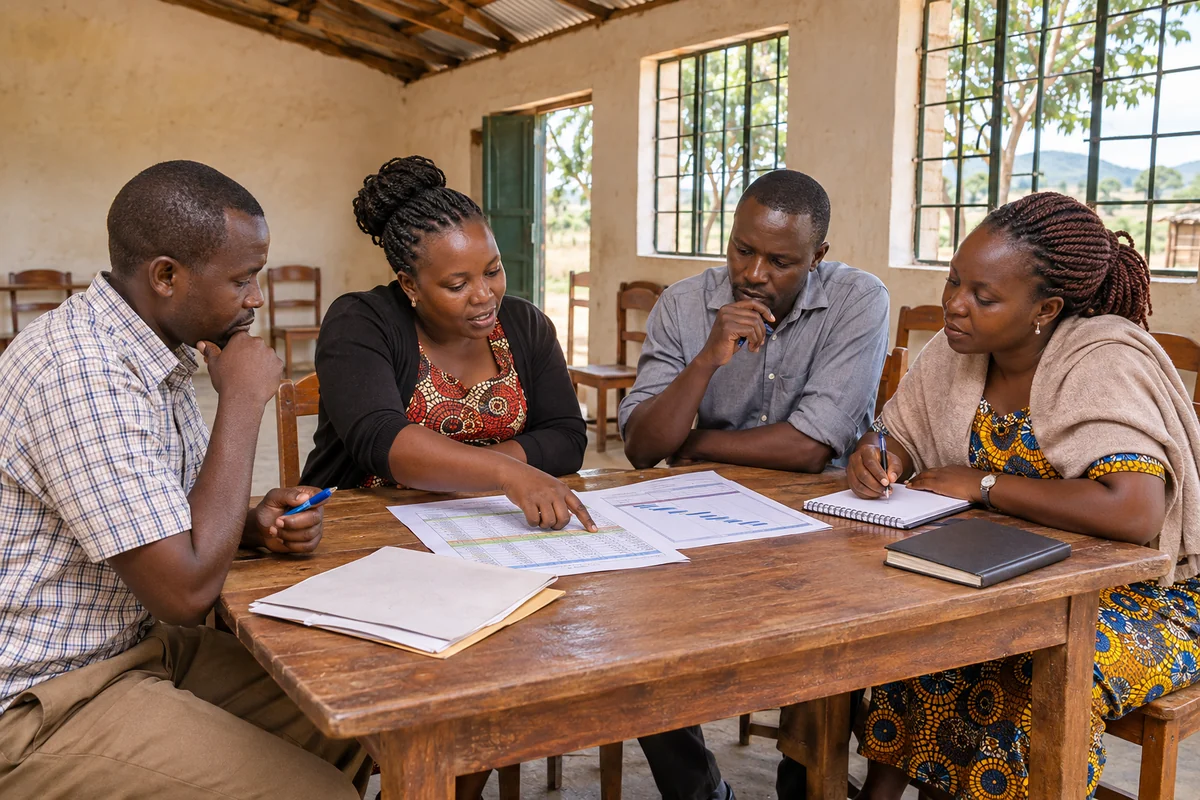
A project can have a good plan and still be a poor fit for a grant. A rural school may need workshop equipment, a farming group may want to test a water-saving method, and a first-time founder may need money to fulfil an initial order. Each has a different applicant, cost and result. If you’re researching small grants for Africa in 2026, write down who would apply, where the work would take place and what the grant would pay for. Those details make it easier to spot a relevant programme before you spend time on a proposal.
Start by checking who published each offer. A government office, a foundation and a commercial service such as the online casino Goldspinia each publish information for different purposes. When researching grants, confirm that the organisation named as the funder has published the call, its eligibility rules and its submission instructions.
Find grants for Africa that fit the applicant
The African Small Grants Programme describes its focus as rural education, women’s empowerment and community development. Its site says it considers nonprofit organisations and suggests that unregistered groups explore partnering with a registered nonprofit. If you’re considering this route, confirm the application window and check whether a partner can act as the applicant and handle the budget.
Compare opportunities at the level of an actual call. A regional programme can have individual country rounds, and one round can be open to a school while another accepts only community organisations. Before writing the narrative, collect these details from the funder.
- The countries and districts where the work can take place.
- The legal status and operating history required of the applicant.
- The activity costs the funder will cover and the grant ceiling.
- The deadline, time zone and official way to submit the application.
- Any requirements for matching funds, a fiscal partner or reporting.
Compare education agriculture and entrepreneurship grants
Use the examples below to understand how grants for education in Africa, agriculture grants for Africa and grants for entrepreneurship in Africa can differ. Some programmes have several rounds. A published example can help you prepare for a later call, even when its own deadline has passed.
| Focus | Programme | What to check |
|---|---|---|
| Rural education | African Small Grants Programme | Read the published nonprofit and community criteria and confirm the intake before preparing a proposal. |
| Education infrastructure in Kenya | Japan’s Grant Assistance for Grassroots Human Security Projects | The Embassy of Japan in Kenya lists education among its areas of focus and publishes an application period of 1 August to 31 January. Check eligible costs and documents. |
| Sustainable agriculture | Global Environment Facility Small Grants Program | Check the relevant country call for project themes, geographic priorities, applicant types and deadlines. |
| Early-stage business | Tony Elumelu Foundation Entrepreneurship Programme | Its 2026 call offered US$5,000 in seed capital to successful applicants and closed on 1 March 2026. Use the official notice to understand that round’s offer. |
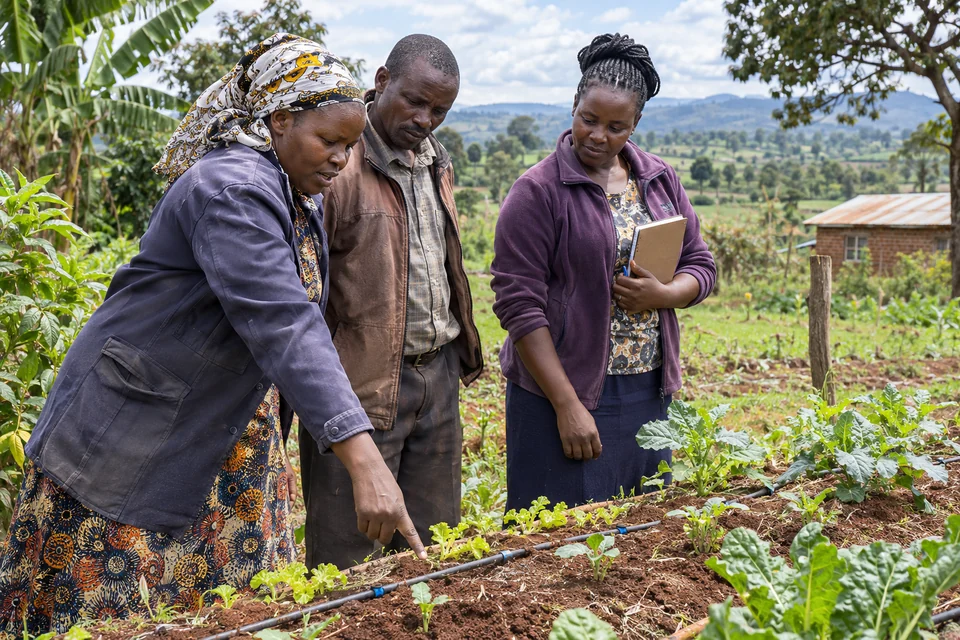
A vocational school might need tools for a training workshop. A farmer group might instead want to trial a water-saving approach on a demonstration plot. For that larger activity, explain the environmental benefit and who will monitor it. A founder could use an entrepreneurship programme to test demand or fulfil early orders, subject to the terms of the award.
Make the proposed result easy to picture. Show who will use the grant-funded activity and what you can measure by the end.
How many people receive social grants in South Africa?
In its 2025/26 annual report, the South African Social Security Agency (SASSA) recorded 13,447,708 beneficiaries receiving 18,838,310 social grants as at 31 March 2026. The larger figure counts grants across the seven categories in the table below. The report discusses Social Relief of Distress separately. A dated snapshot with that scope gives you a usable answer when comparing published recipient figures.
The main types of social grants in South Africa serve people in specific circumstances. The agency’s March table gives the following counts.
| Grant type | General purpose | Grants |
|---|---|---|
| Child Support | Supports eligible caregivers of children. | 12,586,421 |
| Older Person’s Grant | Provides income support for eligible older people. | 4,219,176 |
| Disability | Supports eligible adults whose disability affects their ability to work. | 1,057,919 |
| Grant-in-Aid | Provides additional support to eligible grant recipients who need regular personal care. | 607,274 |
| Foster Child | Supports eligible caregivers of children placed in foster care. | 190,675 |
| Care Dependency | Supports eligible caregivers of children with severe disabilities who need full-time care. | 176,840 |
| War Veterans | Provides support to eligible veterans under the scheme. | 5 |
| Total grants in the table | 18,838,310 | |
These payments are part of South Africa’s social assistance system. Community project grants have their own funders and application processes. For personal support, check SASSA’s current criteria for the relevant benefit.
Prepare the evidence before the next call
A small team can make real progress while a funder’s next round is pending. Start by agreeing on one activity your group can deliver in the proposed timeframe. Speak with the people who will use it and work out who will be responsible for the work, the money and the final report.
- Write one paragraph about the problem, the location and the people affected.
- Choose one result you can count or verify, such as learners who finish a training course.
- Build a budget with quantities, unit costs and a reason for each item.
- Gather registration documents and agree on who will sign and submit the application.
- Decide how to record spending and check progress during the project.
Then ask a colleague who was outside the planning meeting to read the draft. Give them enough detail to see what would happen first and how the team would know whether the work helped.
A reviewer should be able to connect the proposed activity, each major cost and the result you expect to report.
Once you have a short plan, a budget and the right documents, compare them with one current funding notice. Keep the funder’s deadline and eligibility rules with your draft. That way, you can focus your time on the opportunity that fits your group and be ready to revise the plan when the next call opens.